
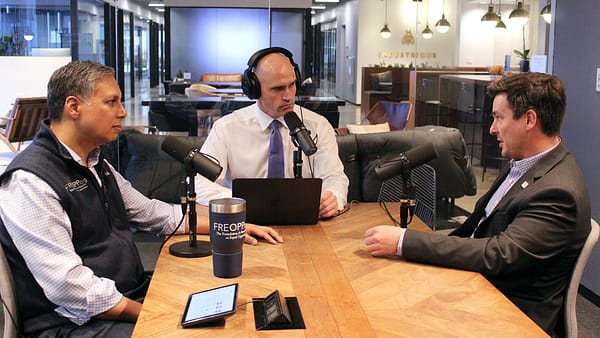
This is a preview of our Texas 2036 newsletter launching the ninth episode of our Future of Texas podcast with our guest, Avik Roy, on the future of healthcare in Texas. To receive this weekly look at our work, sign up here.
Episode 9: The Future of Healthcare
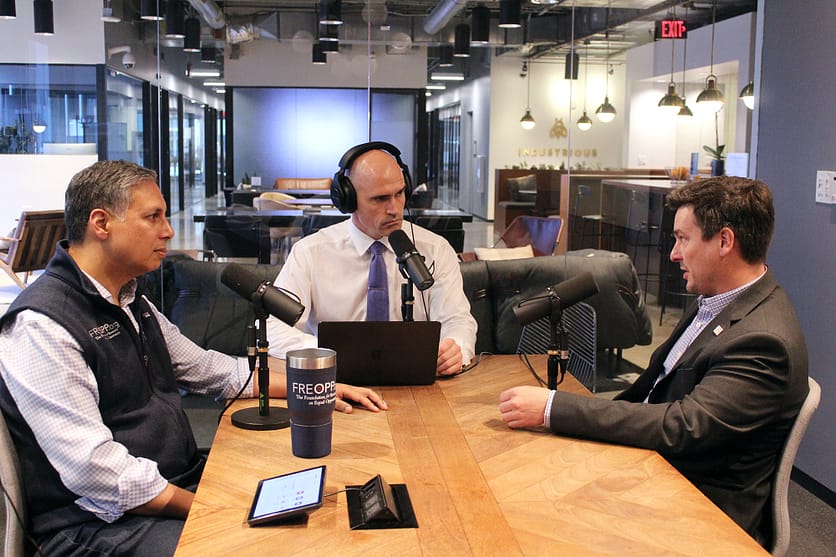
(Left to right) Host Brad Swail talks with FREOPP co-founder and chairman Avik Roy and Texas 2036’s Charles Miller in episode nine of the “Future of Texas” podcast series.
Rising healthcare prices are squeezing the budgets of Texas families, businesses, governments and retirement systems.
While many view healthcare as a federal issue, Texas has a rare window right now to slash that price tag. The decisions made in the next few years will shape the affordability and accessibility of healthcare for future generations.
The Future of Texas series continues with a look at healthcare affordability.
This Week’s Podcast Guest: Avik Roy
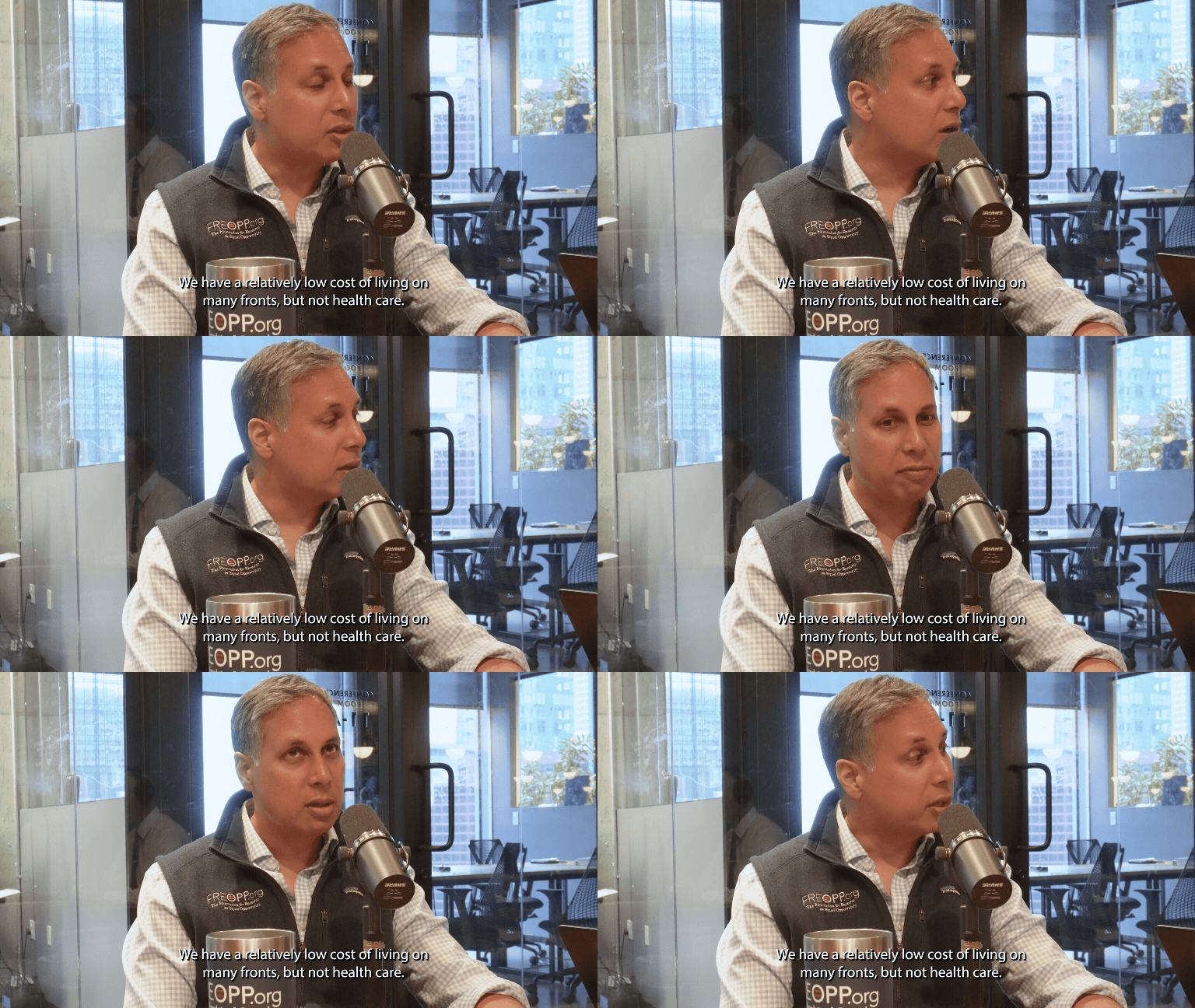
Avik Roy, co-founder and chairman of The Foundation for Research on Equal Opportunity, joins Charles Miller to explore why healthcare prices are so high in Texas and what the state can actually do about it.
They dig into hospital consolidation, anticompetitive contracting, the state’s budget strain and whether Texas can become a national model for market-based reforms by 2036.
📺 Watch the full episode on YouTube
🎧 Listen on Spotify or Apple Podcasts
Rising Health Prices Impact Texas Families
Healthcare is now the top financial worry for Texas families, ahead of groceries, rent and utilities.
Last year, 63% of Texans skipped or delayed care because of prices. Among mothers, 50% avoided treatment because they didn’t know what the price was beforehand.
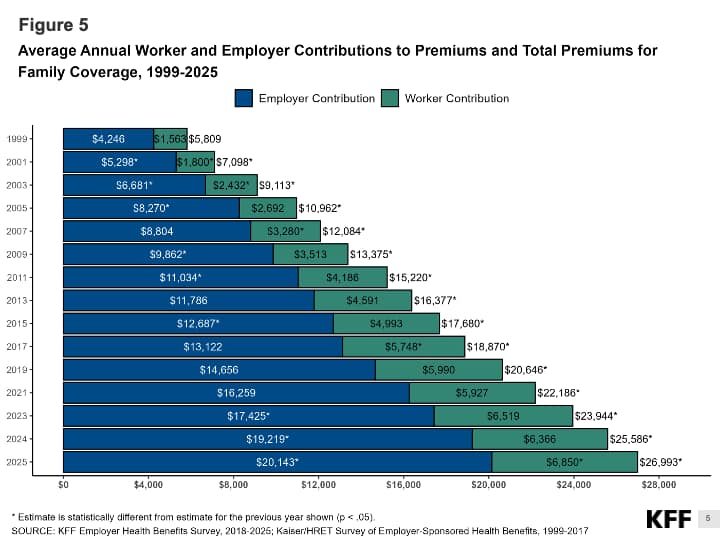
Source: KFF Employer Health Benefits Survey, 2018-2025
A national study by the Kaiser Family Foundation found that the average price tag for a family’s health coverage has risen to nearly $27,000 a year for employer-sponsored coverage. That’s up 53% since 2015.
And 85% of Texas businesses say healthcare prices are rising at an unsustainable rate. More than half say it’s limiting their ability to hire or give raises.
The Biggest Driver? Hospital Prices.
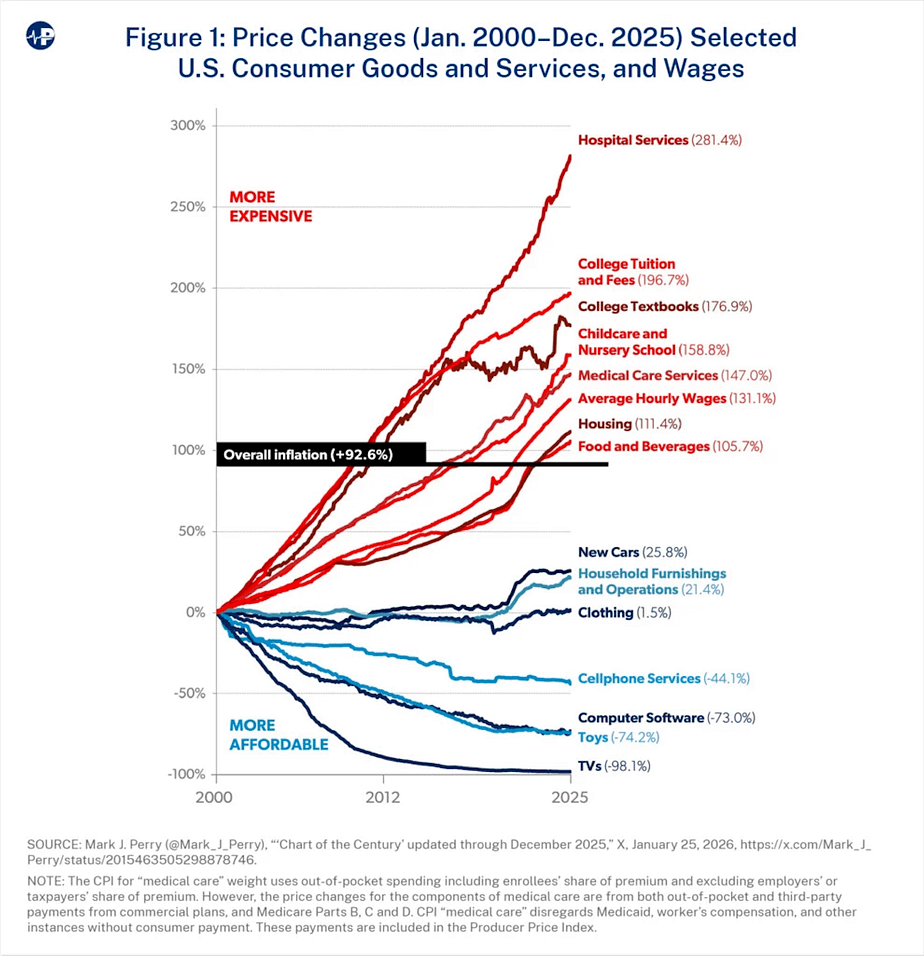
Hospital prices have surged three times faster than inflation since 2000 — and more than twice as fast as wages.
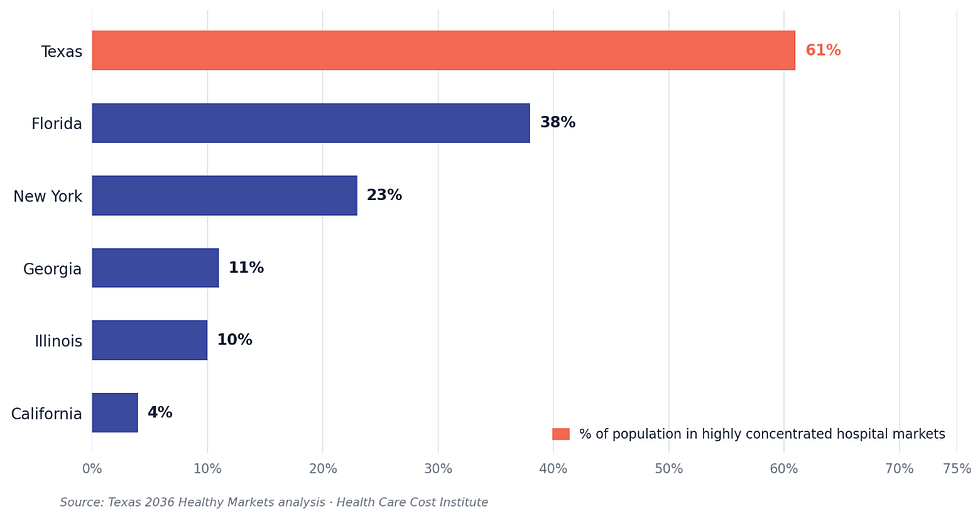
That has happened because Texas doesn’t have a free market in healthcare. It has a concentrated one. Hospital mergers have left 61% of Texans in markets dominated by just a few large hospital systems, giving those systems significant influence over pricing.
The result: prices based on market power, not quality of care. In 2022, Texas employers paid hospitals 259% of what Medicare would have paid for the same services. Prices vary widely across hospitals, with little correlation to quality.
🧾💲 For families and employers alike, these prices are often invisible until the bills arrive.
Texas Can Lead On Healthcare Affordability
Affordability isn’t just a federal issue. Texas shapes how this market works.
In 2023, Texas took a step with HB 711, banning anti-competitive contracting clauses that let large hospital systems lock in high prices and limit care options.
But that was just a start. To improve healthcare affordability, Texas 2036 has laid out a blueprint for healthy markets, including:
- Increase price transparency so patients and employers know prices upfront
- Strengthen competition so providers compete on price and quality
- Align incentives so the system rewards outcomes, not volume
🏥 That’s the path to a more functional, more affordable healthcare market.
Texas Lege Takes Aim At Healthcare Reform
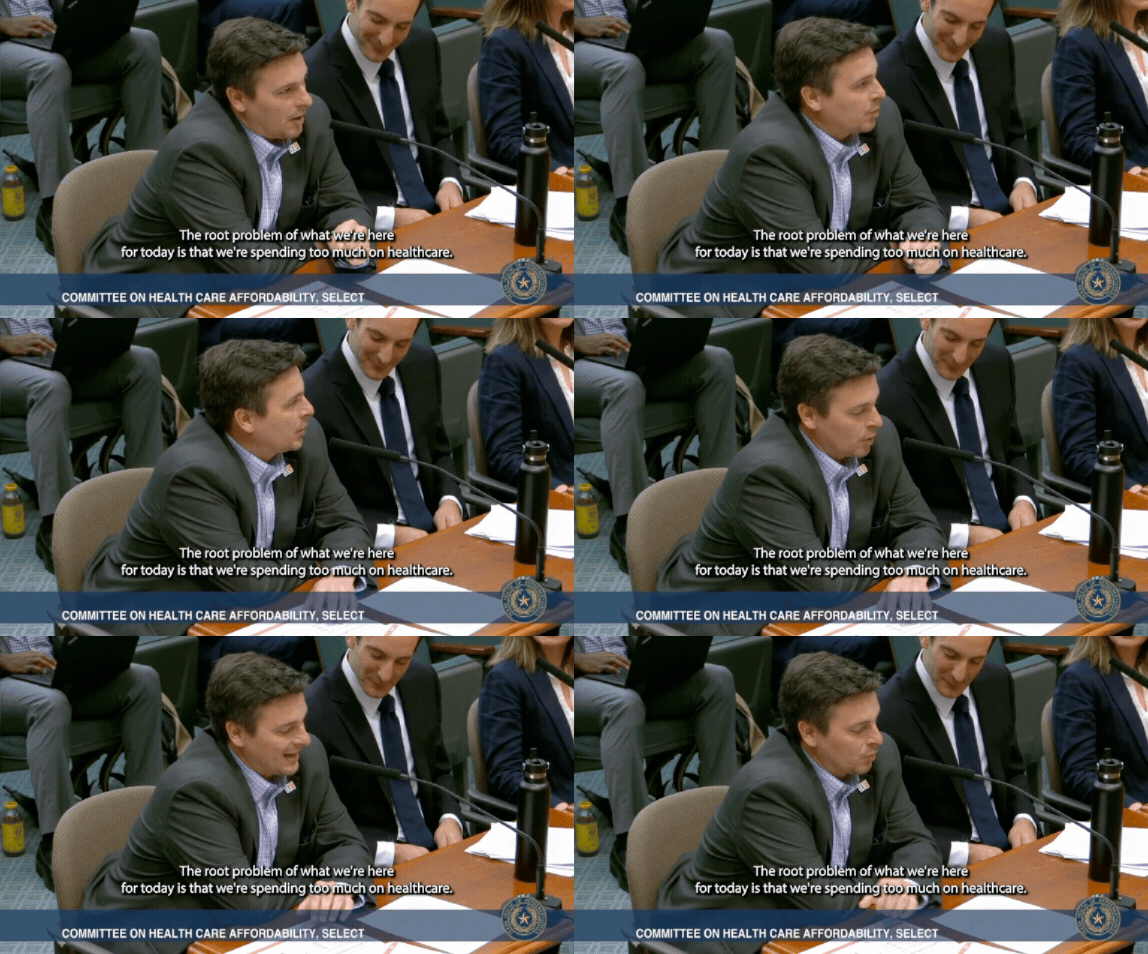
This year, Texas House Speaker Dustin Burrows created a dedicated committee with one job: figure out why healthcare prices are so high in Texas and what to do about it.
The new House Select Committee on Health Care Affordability held its first public hearings last week. It’s chaired by Rep. James Frank, R-Wichita Falls, and vice chaired by Rep. Toni Rose, D-Dallas.
The committee’s focus on price drivers, market structure and insurance design sets up the next legislative session, in 2027, to deliver real healthcare affordability reforms.
📺 Watch: Texas 2036’s Charles Miller testify on healthcare affordability.
Health Prices Are Straining Teachers, Budgets
Rising healthcare prices have led to an increase in healthcare spending in TRS-ActiveCare, the health benefit plan for current school employees. This increased spending is driving up health insurance premiums and is cutting directly into teacher pay.
Educators with family coverage can pay $1,329 a month or more in premiums, which is nearly $16,000 a year out of their paycheck.
The state has directed nearly $1.6 billion into TRS-ActiveCare since 2022. Even so, it took another $369 million last session just to limit premium increases to 9.7%.
And It’s Not Just State Governments 🏛️
In Travis County, health insurance prices jumped from $2.6 million to as much as $17 million in a single year. This led the county to ask departments to identify 5% in spending cuts to close the gap.
Rather than addressing the prices being charged for care, Texas governments have responded by absorbing rising healthcare prices, providing additional funding above baseline or passing the burden onto their employees.
Hidden Fees Are Real. Texas Can Fix That.
When hospitals buy up physician practices, many can add “facility fees” to routine visits.
In one Texas case, a child’s diabetes checkup jumped from $90 to nearly $600 after the practice was acquired. The care didn’t change but the bill did.
Congress recently took a step to fix this. New rules require off-campus hospital-owned outpatient departments to use a unique billing identifier on Medicare claims, separating them from the main hospital, a reform the Congressional Budget Office estimates will save $2.3 billion over 10 years. But the rule only applies to Medicare claims.
👉 Next legislative session, Texas could consider extending that same standard to every claim, which would give Texas patients, employers and payers a clearer picture about where care is delivered and how it is billed.
More Texans Signed Up For 2026 Health Coverage

Texas leads the nation in uninsured residents, and understanding who those 5.1 million Texans are has been central to Texas 2036’s work for years.
This year’s data on the Affordable Care Act (ACA) marketplace tells an important story.
National ACA enrollment fell 8%, but Texas added more than 200,000 plan selections in 2026. And Texans who actively shopped for a plan paid $66 a month after subsidies, compared with $145 a month for those who let their coverage auto-renew. That’s a gap of nearly $1,000 a year.
The takeaway: how Texas structures its market matters, and informed shoppers come out ahead.
What Texas 2036 Is Watching
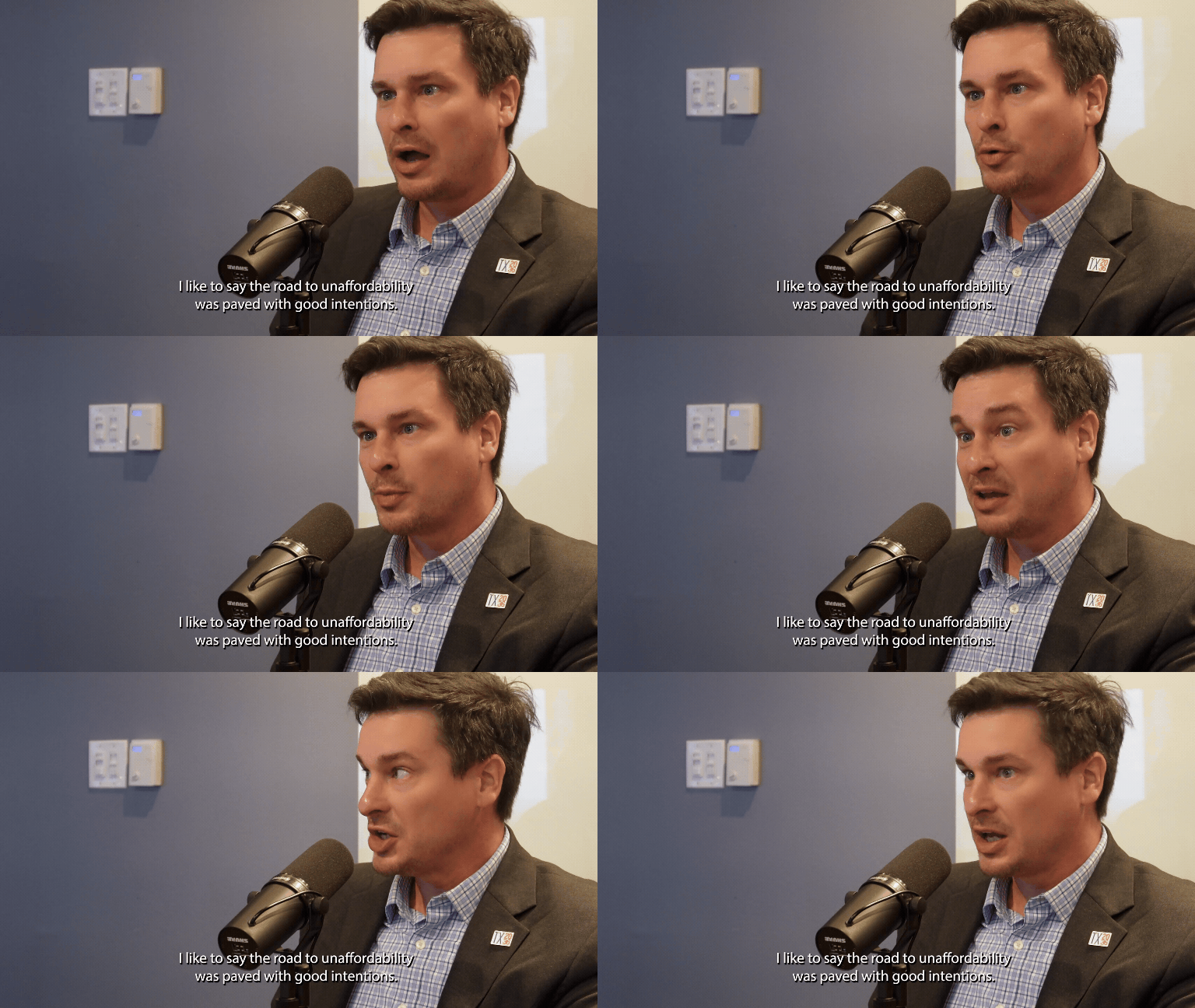
Texas 2036 is tracking the policy decisions and market shifts that will determine whether Texas can make healthcare more affordable for families, employers and taxpayers by 2036.
- The 2027 Select Committee agenda — Lawmakers will weigh hospital ownership disclosure, price transparency requirements and tighter contracting reforms.
- Hospital consolidation — 61% of Texans live in highly concentrated hospital markets, raising pressure for real antitrust enforcement.
- Fiduciary standards — Texas could extend duty-of-loyalty requirements to the middlemen who manage drug benefits, sell insurance and administer health plans on behalf of employers.
- State purchasing power — The state employee (ERS) and teacher (TRS) health plans could serve as models for smarter, affordable coverage.
- Billing transparency — Texas could weigh whether to extend the federal billing standard to all private insurance claims.
Tell Us Your Healthcare Story
How are rising prices affecting your life? We’re collecting stories from Texas families, teachers and business owners. Share your story.