
Inside the Basin Powering Texas’ Next Decade
This is a preview of our Texas 2036 newsletter launching the 10th episode of our Future of Texas podcast with our guest, Tracee Bentley, on the future of energy in Texas. To receive this weekly look at our work, sign up here.
Episode 10: The Future of Energy

(Left to right) Host Brad Swail talks with Tracee Bentley and Jordan Wat in episode ten “Future of Texas” podcast series.
The Permian Basin isn’t just powering Texas. It is playing a growing role in global energy markets.
It already produces more oil than most OPEC nations and generates billions for Texas schools, roads and universities. Now it’s being asked to do even more, supplying the energy needed to support growing demand from AI, data centers and a rapidly growing electric grid.
The Future of Texas series continues with the future of energy.
This Week’s Podcast Guest: Tracee Bentley
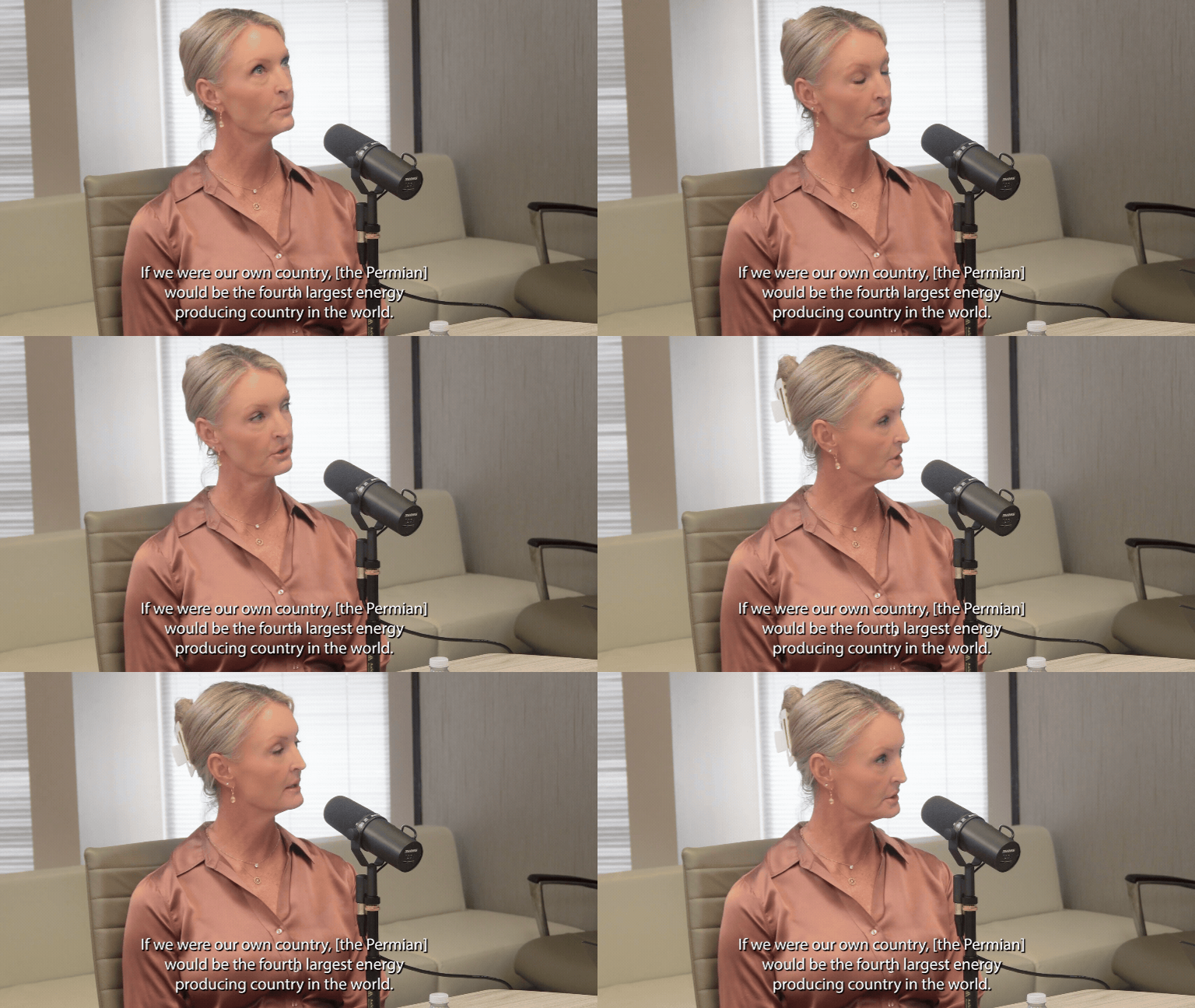
Tracee Bentley, President and CEO of the Permian Strategic Partnership, joins Jordan Wat to explore whether the communities powering the nation’s most productive oil field can grow as fast as the wells beneath them.
They dig into production efficiency, workforce shortages and the pressure on local systems in Midland-Odessa. One question hangs over the region’s future: whether Texas can solve its water challenge before it becomes the Permian’s biggest constraint.
📺 Watch the full episode on YouTube
🎧 Listen on Spotify or Apple Podcasts
The Permian Basin: By the Numbers
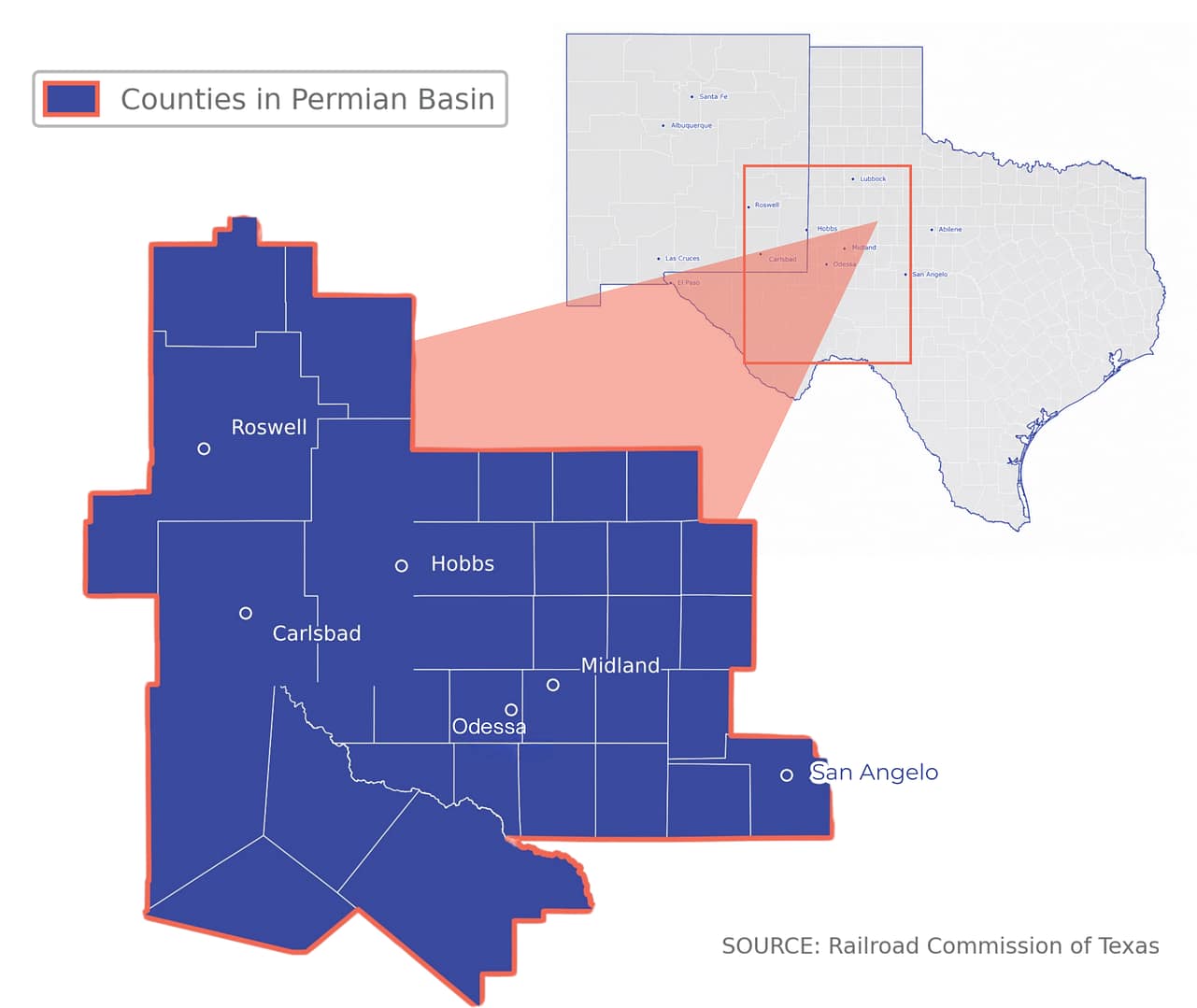
The Permian isn’t just leading U.S. energy production. It’s operating at a scale unmatched by any other U.S. region, concentrating a growing share of production, rigs and economic output.
- If the Permian were its own country, it would be among the top five oil producers in the world
- About 50% of U.S. oil production is estimated to come from the region by 2027
- 44% of all active U.S. rigs are already operating there
- 7.7% of Texas private sector GDP comes from a region home to just 1.6% of the state’s population
Source: Permian Strategic Partnership, 2026 Economic Report
How the Permian Funds Texas

Oil and gas produced in the Permian generates billions in revenue for Texas. That money funds schools, universities and infrastructure across the state, far beyond West Texas.
- $13.4 billion in Texas direct taxes in 2025, up from $12.9 billion the year prior – and projected to grow as the region’s natural gas production expands.
- $3.1 billion into both the Permanent School Fund and Permanent University Fund, which help finance Texas public education.
- Texas as a whole is on pace to export $220 billion in energy exports for 2025, including crude oil, liquefied natural gas (LNG), natural gas liquids (NGLs) and refined products, with the basin as the largest crude oil contributor.
👉 In a global energy market shaped by conflict and supply uncertainty, the Permian’s consistent output makes Texas a stabilizing force, not just a production hub, for the nation.
Innovation Is Reshaping Permian Operations
Two shifts are reshaping how the basin operates: advances in drilling efficiency and water reuse.
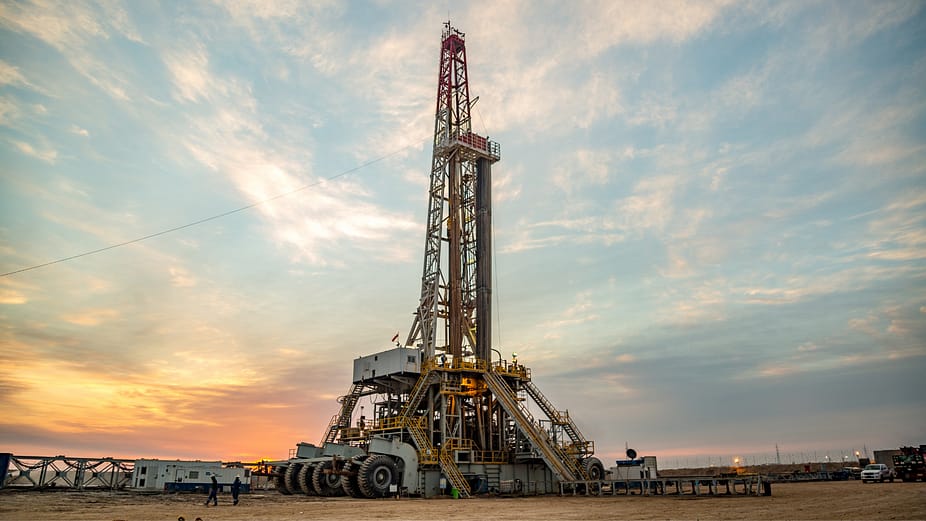
The Permian is doing more with less
Rig productivity is up 14.1% year over year, even as Texas operates with 20.4% fewer rigs.
The biggest driver is artificial intelligence. Operators now use AI to steer the drill bit through productive rock layers in real time, adjusting the path, vertically and laterally, automatically as conditions change.
Across the industry, oil and gas companies are on track to direct more than 50% of IT spending toward AI by 2029, up from roughly 20% today, according to Deloitte’s 2026 Oil and Gas Industry Outlook. That efficiency is allowing operators to produce more with fewer rigs and lower marginal cost per barrel.
Water may be the region’s defining constraint
Produced water is now the dominant source used in hydraulic fracturing in the basin.
Produced water — the salty, briny water that comes up with oil and gas during drilling — is now the dominant water source used to frack new wells in the basin, surpassing fresh and brackish water for the first time in 2023. By 2030, recycled produced water could account for 80% of all frack water in the Permian.
Operators are now processing more than 22 million barrels of produced water per day.
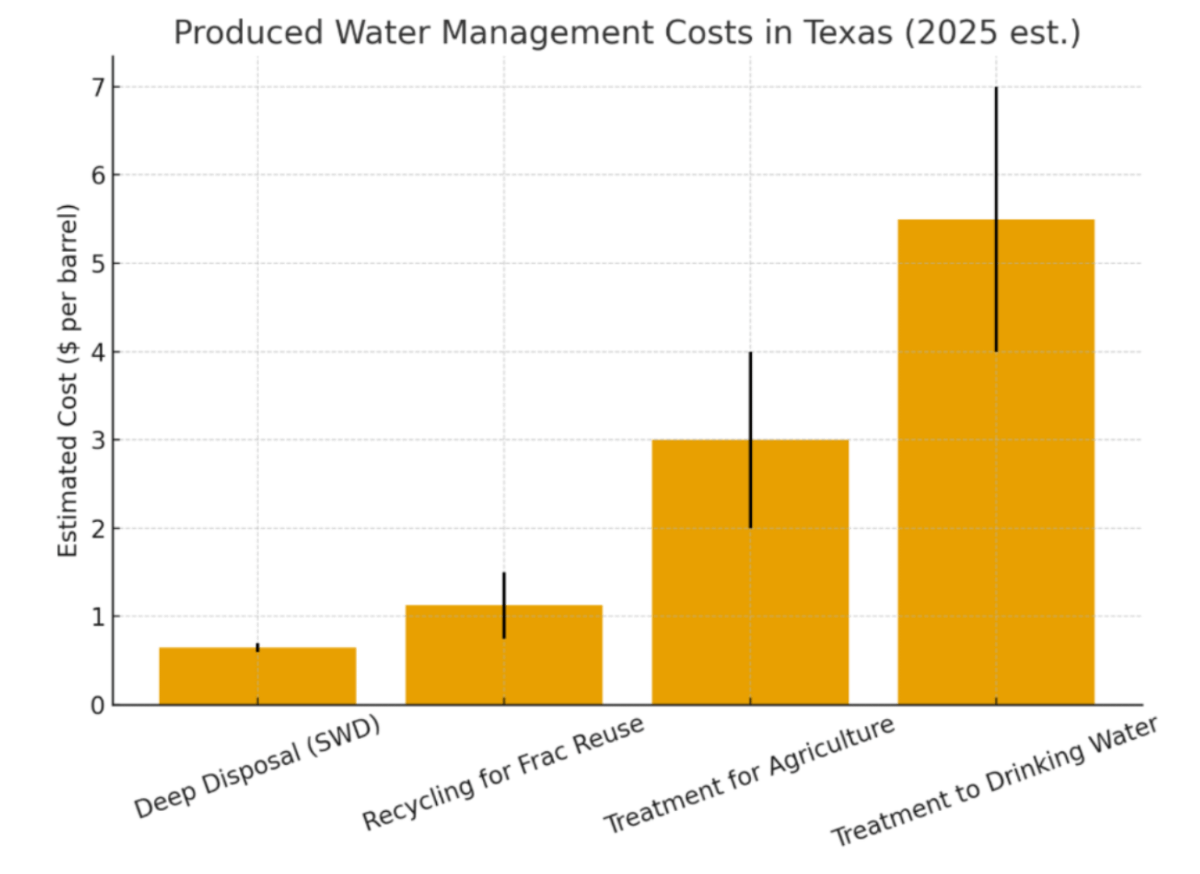
Source: Texas A&M Real Estate Research Center
What’s Next: Researchers are exploring ways to clean produced water for agriculture and municipal use. If successful, that could ease pressure on freshwater that farms and communities already compete for in a region of near-constant drought.
The 2027 State Water Plan, now being written, will set Texas’ water blueprint for the next 50 years. Permian water management isn’t just a regional issue. It could inform how Texas approaches industrial water reuse statewide. But sustaining production at this scale depends as much on people as it does on water.
940,000 Jobs Today – 1.6 Million By 2040

Source: Permian Strategic Partnership, 2026 Economic Report
The Permian supports jobs across the country:
- Nearly 700,000 jobs in Texas
- More than 150,000 jobs in New Mexico
- More than 940,000 total jobs across the U.S. as of 2025
- 1.16 million projected nationally by 2040
That national footprint spans energy, logistics, construction, healthcare and services.
Hitting that 2040 number means filling almost 174,000 new jobs in the basin alone. And the biggest gap isn’t on the rig. It’s teachers, nurses, CDL drivers and welders who can’t afford to stay.
Building a Community for A Young Region

Midland’s median age is 31 — lower than most major Texas metros — and its under-5 population is nearly double the national share. Young families are putting down roots. Whether the region’s schools, healthcare and housing can keep pace is the real question.
- 🏥 Healthcare: Many rural Permian residents live more than 75 miles from a hospital, and most rural counties in the region are designated as Health Professional Shortage Areas.
- 🎓 Education: Literacy and numeracy levels among children and adults trail state averages, and the region faces a shortage of trained school leaders.
- 🔧 Workforce: Unemployment in Midland sits at 3%, the lowest in the state. But low unemployment doesn’t mean the region has the workers it needs for the growth that is coming.
Local Efforts Are Underway

Some efforts are underway to address these gaps, but they remain early relative to the scale of demand.
- A new pediatric residency program at Texas Tech University Health Sciences Center is building a local provider pipeline. Doctors who train in a community are far more likely to stay.
- The Permian Strategic Partnership is funding leadership training for teachers, principals and superintendents across the region.
- A $10 million investment from the Permian Strategic Partnership in Ector County’s new Career and Technical Education building, opening in January 2027, will expand workforce training for local students.
These investments need state-level support to scale, including better regional labor market data so communities can plan where to build, hire and invest.
What Texas 2036 Is Watching

The Permian is being asked to do more than ever. That’s why Jeremy Mazur and Alex Rose Montgomery, our natural resource and infrastructure policy experts, are tracking the decisions that will shape whether Texas’ growth translates into lasting prosperity:
- Energy expansion: Texas has pursued an “all-of-the-above and below” approach to energy resources. Sustaining that approach means smart planning for the demand that AI, data centers and a growing grid will place on the state’s energy infrastructure.
- Water planning: This decade’s water decisions lock in the state’s capacity for the next 50 years. The 2027 State Water Plan is the moment.
- Workforce alignment: Education leaders and employers need to be in the same room. With 174,000 more workers needed in the basin alone by 2040, that alignment can’t wait.
What Are Your Thoughts?
If you’re watching Texas energy policy or living and working in the Permian, we want to hear from you.