
This is a preview of our Texas 2036 newsletter with your guide to building out Texas’ resilience playbook. To receive this weekly look at our work, sign up here.
The Next Step in Texas’ Resilience Playbook
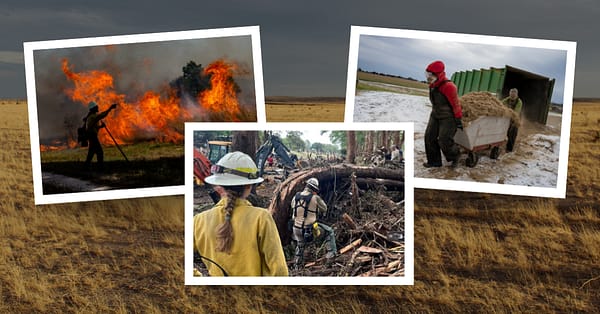
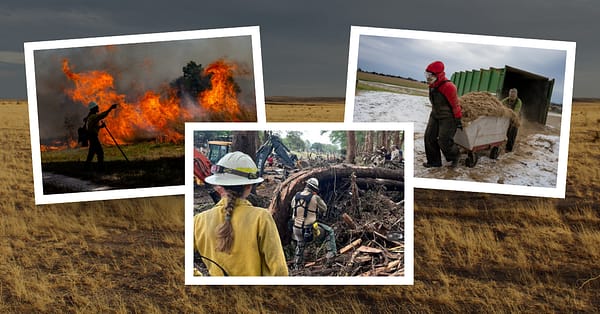 Photo credit (left to right): Courtney Sacco/Texas A&M AgriLife Marketing & Communications; Texas A&M Forest Service; Sam Craft/Texas A&M AgriLife Marketing and Communications
From wildfires and drought to floods, hurricanes and severe storms, communities across the state face different risks that are becoming regular tests of infrastructure and emergency systems.
Texas has taken important steps to prepare. Building on that progress, resilience and recovery can serve as long-term strengths for the state.
We explore what it would take to further develop a statewide playbook that reduces damage before disasters strike and helps communities recover more quickly.
Extreme Weather: A Multi-Billion-Dollar Reality
Minimum Total Damages by Extreme Weather Event Type
From Highest to Lowest
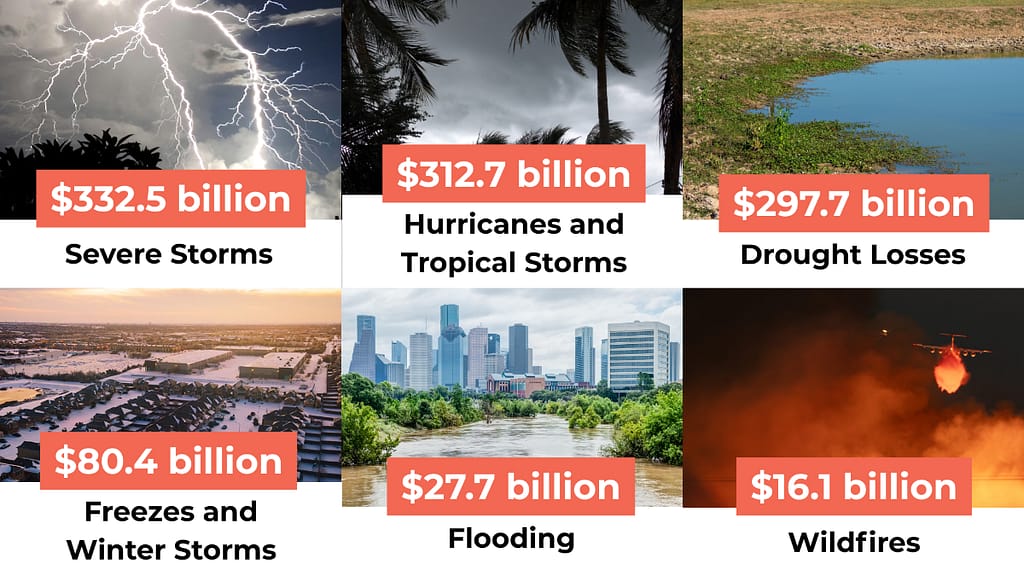 Data Source: NOAA’s National Centers for Environmental Information
Extreme weather is a costly reality in Texas. Federal data from 1980 to 2024 shows that Texas has experienced 190 weather and climate disasters that each caused more than $1 billion in damage.
A Critical Piece: Getting the Data Right
Preparing Texas for future extreme weather includes making sure communities have the resources they need to respond and recover effectively.
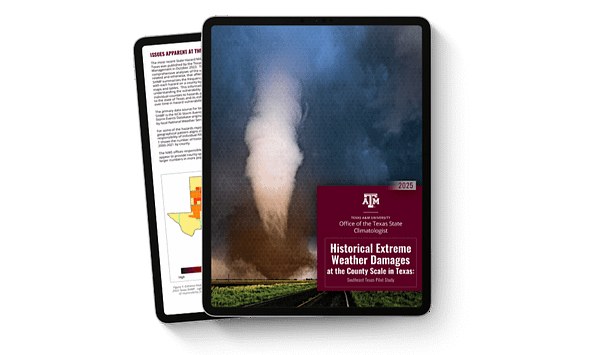
New research from Texas A&M University highlights opportunities to strengthen how storm damage is reported to better target mitigation efforts across the state.
Texas has 254 counties, each facing different risks and capacities. After a major event, documenting impacts can be complex and time-consuming.
Clearer damage reporting helps:
- Provide a more accurate picture of impacts
- Inform infrastructure and investment decisions
- Support communities as they apply for disaster assistance
Recommended improvements include:
- Uniform statewide reporting standards
- Clearer county-level damage assessment processes
- State-level support teams after major events
- Modernized reporting tools
- Additional support for rural counties with limited staff capacity
Better data means clearer decisions, fairer recovery and faster rebuilding.
 “When a storm hits, county officials are focused on saving lives, not paperwork. … Texas can make it easier for communities to document real damages and secure the funding they need to recover.”
— Dr. William J. Baule, Texas A&M University, Department of Atmospheric Sciences

Why state preparedness matters: As FEMA disaster programs evolve to include additional layers of review, taking steps at the state level can ensure Texans are best empowered to locally address future challenges.
By strengthening how we track storm damage, document costs and coordinate between local, regional and state agencies, Texas can position itself to ensure communities, businesses and families recover as quickly as possible.
What Texas Should Plan for in the Decades Ahead
Research from the Office of the Texas State Climatologist, in collaboration with Texas 2036, highlights long-term extreme weather trends that should inform how Texas plans for infrastructure, water, and emergency systems in the future:
- More extremely hot days → higher energy demand, greater human heat risk, added stress on roads and water systems
- Heavier rainfall events → increased flash-flood risk and pressure on drainage, transportation, and stormwater systems
- Faster-developing droughts → strain on water supplies and increased wildfire risk
- Coastal subsidence → sinking land in coastal areas and impacts on existing industrial infrastructure
These trends influence infrastructure standards, water planning, emergency response capacity, insurance markets, and long-term economic stability.
 “If current trends continue, Texans will face more intense and frequent heat waves, more erratic rainfall, and an increasing fire risk in certain areas of the state.”
— Dr. John Nielsen-Gammon, Texas A&M University, Office of the State Climatologist
Building Texas’ Resilience Playbook
Texas has long invested in preparedness. In recent years, state leaders have strengthened critical systems and updated tools to address evolving risks.
 Water Infrastructure
Texas has invested in a broader, more diversified water supply through new supply development, conservation, reservoirs and aquifer storage.
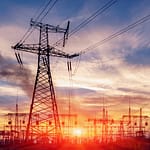 Electric System Reliability
The state has adopted weatherization standards for power plants and natural gas infrastructure, improved coordination between generators and fuel supply, and added new tools to manage peak demand.
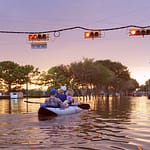 Flood Preparedness
Texas published its first statewide flood plan, launched a statewide flood planning process, and invested in drainage, levees, detention and reservoir upgrades. The state has also expanded monitoring and warning systems.
Read more from our past legislative agendas here.
Join the Conversation
Building a stronger resilience playbook is not something Texas has to do alone. Other states have faced similar challenges and can offer lessons on what works.
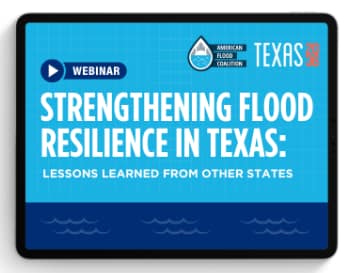
On Feb. 17 at 1 p.m. CT, Texas 2036 is teaming up with the American Flood Coalition for a webinar on how other states can help Texas continue strengthening its flood protection policies.
Special guests include former Florida House Speaker Chris Sprowls and North Carolina state Rep. Mark Pless.
Interested in learning more? Register for the webinar here.
This Is Texas’ Moment to Lead

Texas has been strengthening preparedness for decades, and leaders across the state continue to build on that foundation. As extreme weather evolves and federal disaster processes shift, Texas has a real opportunity to stay ahead by organizing for success.
Lawmakers can build on this progress by continuing to review how disaster impacts are reported and tracked, ensuring communities are well positioned for timely aid and a smoother path to recovery.
When communities are ready, information moves quickly, and systems work as intended, recovery is faster, businesses stay open, and families return home sooner.