From Crisis to Resilience: What Texas’ Water Markets Have Achieved

Water markets offer a unique water management strategy for Texas. They enable the voluntary transfer of water between willing parties, resulting in the more efficient and effective use of water resources. 

This report takes an in-depth look into the two water markets operating in Texas: one within the Edwards Aquifer region in Central Texas, the other within the Lower and Middle Rio Grande Valley in South Texas. Drawing on the valuable lessons learned from both of these water markets, this report makes several recommendations for water policymakers and practitioners on how water markets may be used to enable the efficient use of existing water resources.


“As many communities consider available remedies to solve local water challenges, this research offers a clear foundation for constructive conversations.” 

Jeremy Mazur, Director of Infrastructure and Natural Resources Policy at Texas 2036

Prospective Costs and Consequences of Insufficient Water Infrastructure Investment in Texas

A report from Center for Energy Studies at Rice University’s Baker Institute, commissioned by Texas 2036, explores the effects of multi-year dry spells on the state’s energy production, economy and points to opportunities created by new investment in water infrastructure.

 Here are some key figures in the report to consider:

  • $2 billion — Current annual cost of revenue lost from utility systems just to leakage. 
  • $40 billion — The potential annual economic damage to the state’s large, surface-water-dependent water municipalities should a multi-year Drought of Record occur.
  • 0.2%The effective “insurance rate” in water supply investments needed to safeguard the $2.5 trillion Texas economy. 

Assessing Texas' Water Infrastructure Needs

Here’s the truth: the continuation of Texas’ economic miracle depends on the reliability of the state’s water infrastructure. Recent growth in several key economic sectors, including energy, semiconductors and housing, is due to successful state and local water infrastructure investments.

What has Texas done so far? In 2023, legislators and voters approved the creation of the Texas Water Fund and appropriated $1 billion to get the fund going, a crucial first step. Yet, the larger challenge remains, as in how much more will we need to ensure Texas’ continued growth and prosperity?

As we head into the 89th Texas Legislative Session, Texas 2036’s latest report “Foundation for Economic Growth: Assessing Texas’ Water Infrastructure Needs” dives in on how Texas can invest in our state’s water future.

Top reasons why water is essential to the Texas Miracle

1. Water infrastructure is playing a part in Texas’ successful economy.

The state’s economy has grown by 63% over the past decade. In 2023, Texas’ $2.6 trillion economy accounted for over 9% of all U.S. Gross Domestic Product. Water infrastructure serves as one of the key cornerstones for this growth.

This economic growth reflects three key elements: qualified workforce, electric reliability and reliable water infrastructure.

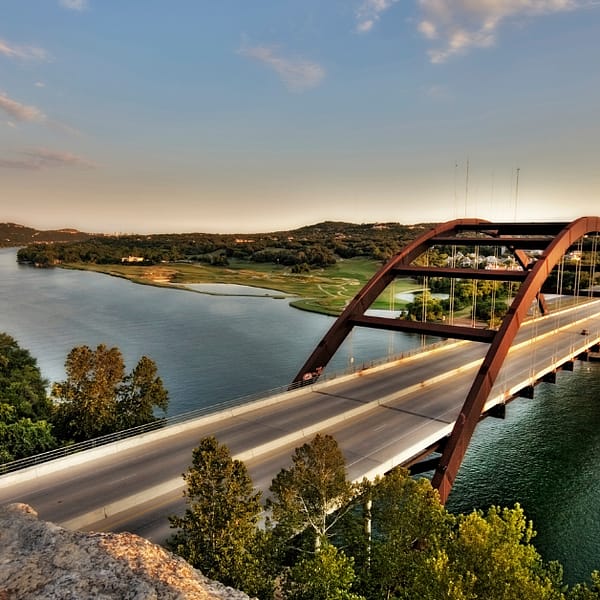
Aerial view of Amistad Reservoir with the Governor's Landing Bridge in Texas at sunset

2. If we plan and invest for a secure water future, the Texas Miracle will thrive.

Just as water infrastructure has supported Texas’ phenomenal growth, two challenges lie ahead.

First, Texas will need more water supplies for a growing state facing the constant specter of drought. Second, aging, deteriorating water systems are hurting Texas communities.

3. At least $154 billion investment over the next 50 years on water infrastructure could positively impact Texans.

This estimate is based on inflation-adjusted cost estimates within the 2022 State Water Plan and the Environmental Protection Agency’s community needs surveys.

How is the $154 billion broken down? This price tag includes $59 billion for new water supplies, nearly $74 billion for drinking water upgrades and over $21 billion to fix wastewater systems.

Despite this price tag, Texas 2036’s analysis projects that the state’s funding effort will fall short of what’s needed for long-term infrastructure investment.

Projected State Water Infrastructure Financial Needs

Data from 2022 State Water Plan, EPA Community Needs Surveys

Why do these investments matter?

Texans lose out on the economic miracle with inadequate water infrastructure.

A prolonged, severe drought similar to that of the 1950s would cost the state’s economy hundreds of billions in lost GDP and over one million jobs.

These economic impacts could be worse than those observed in Texas during the Great Recession and the COVID-19 pandemic.

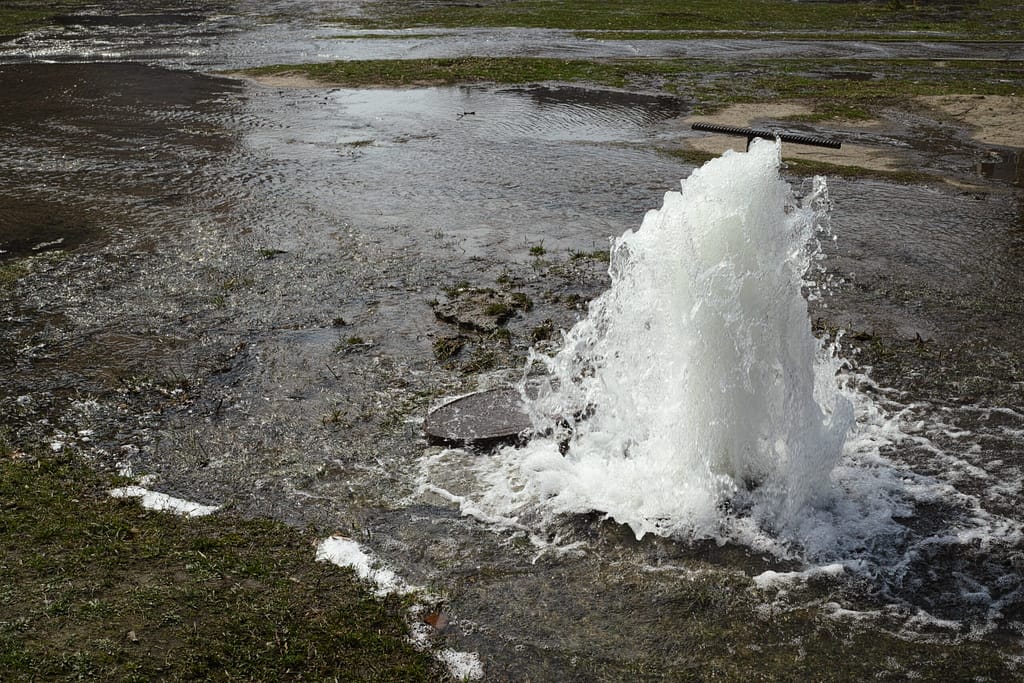
The Big Picture: The economic costs imposed by aging, deteriorating water and wastewater systems will cost Texas’ communities billions in the coming years.

keyboard_arrow_up