

This is a preview of our Texas 2036 newsletter with a look at how we can use data to the anticipate the trends shaping Texas’ workforce of the future. To receive this weekly look at our work, sign up here.
Is Texas ready to produce the future workforce?
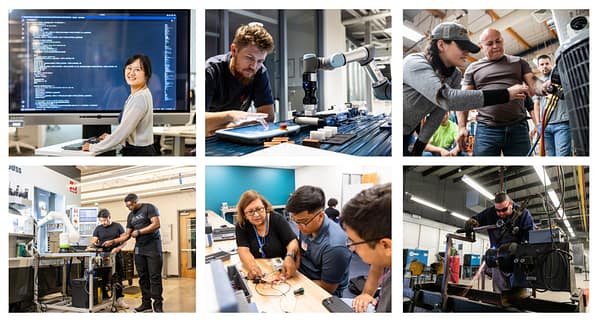
Source: Austin Community College
Today’s labor market is evolving faster than at any time in recent history, shaped by advances in artificial intelligence, global market shifts and rapid industry change.
Texas has excelled in job growth in recent years but that alone isn’t enough to sustain our growing economy, productivity or long-term competitiveness.
We need to understand what kinds of jobs are growing, what skills they require and whether Texans are prepared to step into them.
How jobs data fuels the Texas economy

Collecting the right kind of jobs data is an economic development tool.
It is essential to understanding where jobs are growing, what skills they require, and whether our investments in education and workforce are delivering results.
Without timely, connected data, Texas risks spending billions of dollars educating students and training workers for yesterday’s jobs while fast-growing industries struggle to find talent.
The resulting mismatch could erode opportunities for millions of Texans.
📣 The good news is we can start aligning investment to outcomes by looking first at the data systems kept by the Texas Workforce Commission.
An economic opportunity Texas can’t miss

For years, Texas 2036 has spotlighted the need to address critical gaps in workforce data that currently hampers the ability of state and local workforce and education programs to meet job market needs.
That’s why we’re focused on this year’s Sunset review of the Texas Workforce Commission because the agency has been hindered by having to use 20th-century tools in a 21st-century labor market.
Getting the Sunset review right will pay massive dividends in economic development that can fill the high-demand, high-paying jobs brought by new industry and corporate relocations.
Directing taxpayer dollars with better data
Modernizing TWC’s data governance isn’t just a technical update; it’s a fiscal and economic necessity.
- Modernizing Regional Economic Development: improvements to key workforce data like occupation, location and hours worked mean that TWC data systems can transform from a retrospective reporting tool to a proactive economic development engine enabling regions to adapt to the speed of the economy.
- Fiscal Stewardship & Fraud Prevention: additional highly detailed data can increase the sophistication and effectiveness of fraud-detection algorithms, stopping fraudulent claims faster and ultimately lowering tax exposure for Texas businesses.
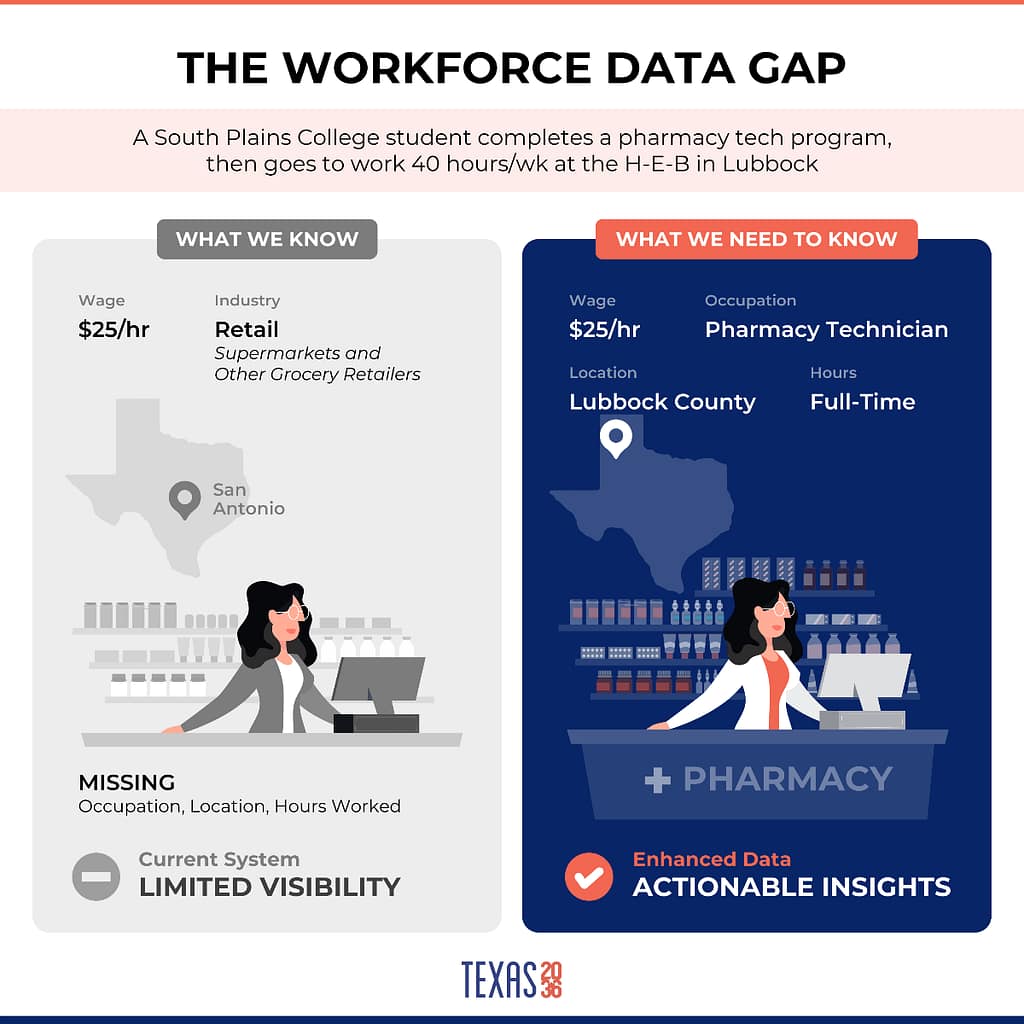
Other examples of where opportunities exist to improve our understanding of changes in the labor market include:
- Faulty lines of communication within the agency and across multiple agencies prevent a full understanding of how childcare subsidies, workforce programs and employer partnerships interact.
- More responsive data systems could use real-time job postings and wage records to measure how quickly displaced workers return to work and which interventions shorten that timeline.
What is the Texas Sunset Review Process?

All Texas agencies undergo a periodic review to objectively evaluate the need for and value of state programs and to assess their performance and efficiency.
The Sunset Review process is designed to examine systems, authority and accountability all at once. It allows Texas to modernize data systems, clarify governance and ensure accountability is built into the system.
Also under Sunset review: The Texas Workforce Investment Council — a cross-agency council under the Office of the Governor charged with evaluation and strategic planning for the state’s workforce system — is also going through the Sunset review process this interim.
As lawmakers seek options to improve data interoperability and enhance data-driven economic development, TWIC may factor into discussions.
How a data-driven workforce system works in the real world
What does Texas look like when we have better aligned workforce data? Here are some examples:

A high school senior in Lubbock can see which careers are growing locally, what credentials are required and what wages those jobs lead to.

A laid-off worker in Houston can quickly find training programs tied directly to current job openings.

A rural employer can show state partners exactly which skills are missing and see training programs adapt in response.
More benefits of a healthy data ecosystem

A healthy workforce data ecosystem would have additional benefits for Texans at pivotal moments in their lives and careers.
🇺🇸 Veterans transitioning to civilian careers
Better data helps Texas see whether veterans are finding jobs quickly, whether jobs align with their skills and whether programs lead to strong wages.
🧒 Working parents who need childcare to stay employed
Improved data integration shows how childcare access affects employment stability and where gaps limit workforce participation.
🔄 Workers navigating job loss or career change
Modern systems speed assistance, connect people to training tied to real openings and protect taxpayer dollars through stronger verification.
The year Texans can shape the future of workforce

Texas invests over $100 billion each year in K–12 education, higher education and workforce programs. At that scale, even small inefficiencies translate into billions in lost opportunity for workers, employers and taxpayers.
Texas 2036 is working toward a modern education and workforce data system that:
- equips students to choose career pathways tied to real opportunity.
- better serves veterans and working parents with programs targeted to support them.
- empowers policymakers to invest in what works.
- safeguards taxpayer dollars.