Making a Texas-sized
impact in space
The Lone Star State must once again take center stage and expand its role as America’s leader in space.
Texas 2036 is an official data partner of the Texas Lyceum

SPACE EXPLORATION
RUNS DEEP IN TEXAS
For over 60 years, the Lone Star State has been at the forefront of space exploration, discovery and innovation as the home to NASA’s Johnson Space Center. As the space industry opens to commercial/private investment, Texas must once again take center stage and expand its role as America’s leader in space. SPACE EXPLORATION RUNS DEEP IN TEXAS

$1 trillion is at stake in space. Will Texas continue to lead in innovation?

In 2023, Texas clearly emerged as a powerhouse in the rapidly expanding private space sector, according to the U.S. Bureau of Labor Statistics and a report by the Texas Economic Development Corporation.

With Morgan Stanley forecasting this sector to rocket to a $1 trillion valuation within 20 years, Texans are poised to reap major benefits from this high-flying industry.

It’s not just NASA. Aerospace has made its mark in Texas.

NASA has turned Houston into the Space City, which has become an anchor for Texas’ aerospace industry, but many may not realize that the presence of aerospace companies has grown across the state.

There are more than 2,000 aerospace establishments located in Texas, according to the latest data from the U.S. Bureau of Labor Statistics.

Texas is also a leader in aerospace manufacturing with 18 of the 20 largest manufacturing companies operating in the state, including Lockheed Martin, Raytheon, Boeing and more!

Why is space worth the investment? Because big dollars are directed to Texans and their communities.
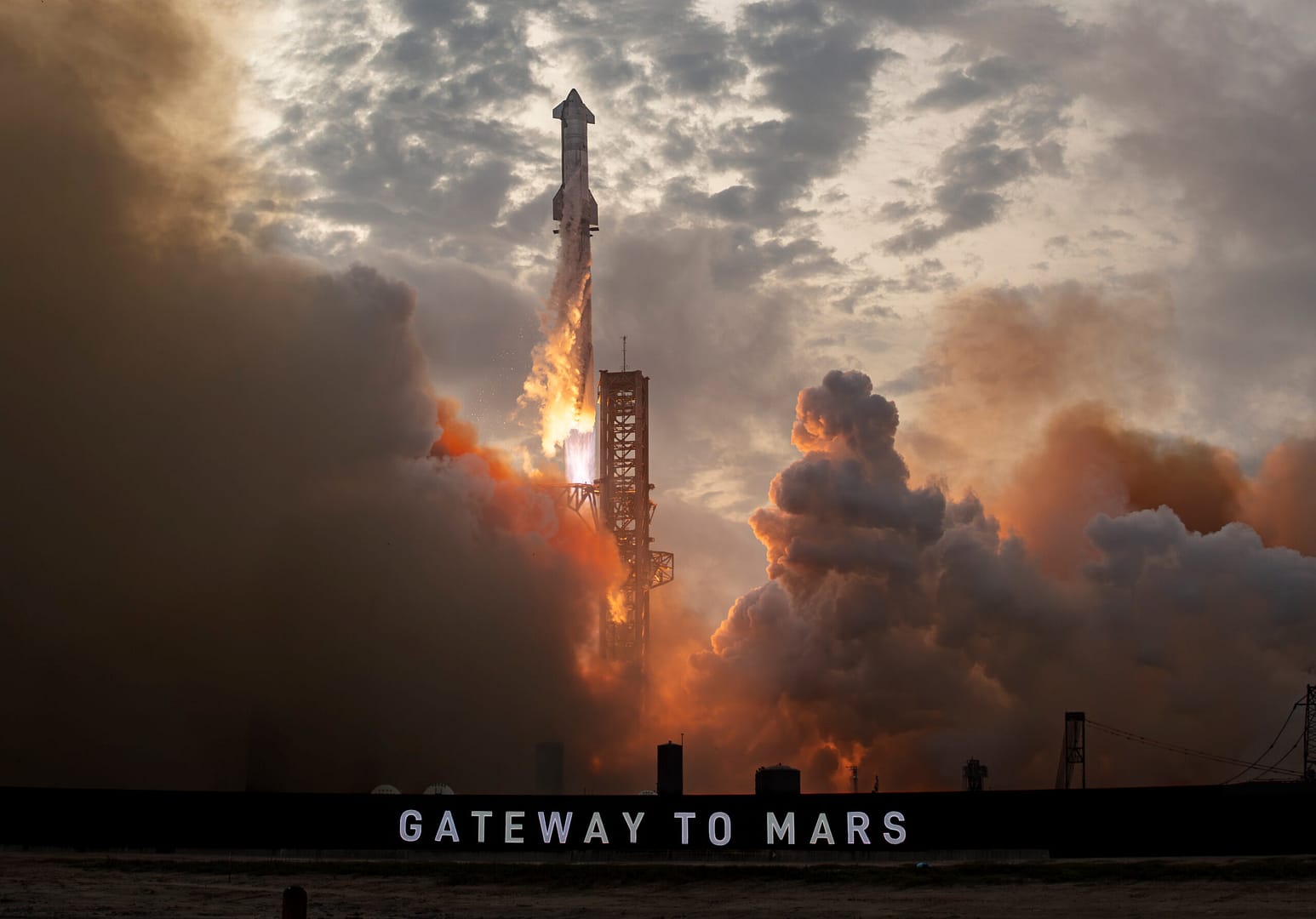
Starship launching from SpaceX’s Starbase in Boca Chica, Texas on March 15, 2024. (Source: SpaceX)

Did you know?

🚀 Space Center Houston generates annually a $118.7 million economic impact, 1,710 jobs and $53.7 million in personal income in greater Houston, according to a 2018 study by Quanticon, LLC.

🚀 SpaceX invested more than $1 billion in its Boca Chica facility, including over $400 million for operations in 2021, according to the Brownsville Herald.

🚀 The average annual wage for Texas aerospace workers reached $100,000 in 2023, the Bureau of Labor Statistics reports.

Six ways Texas is laying the ground work for space.
House Bill 3447 by state Rep. Greg Bonnen, R-Friendswood, and state Sen. Joan Huffman, R-Houston, passed during the 88th Legislature with strong bipartisan support. The legislation creates two entities — the Texas Space Commission and the Texas Aerospace Research and Space Economy Consortium — and authorizes funding for a Texas A&M research facility at JSC's Exploration Park.
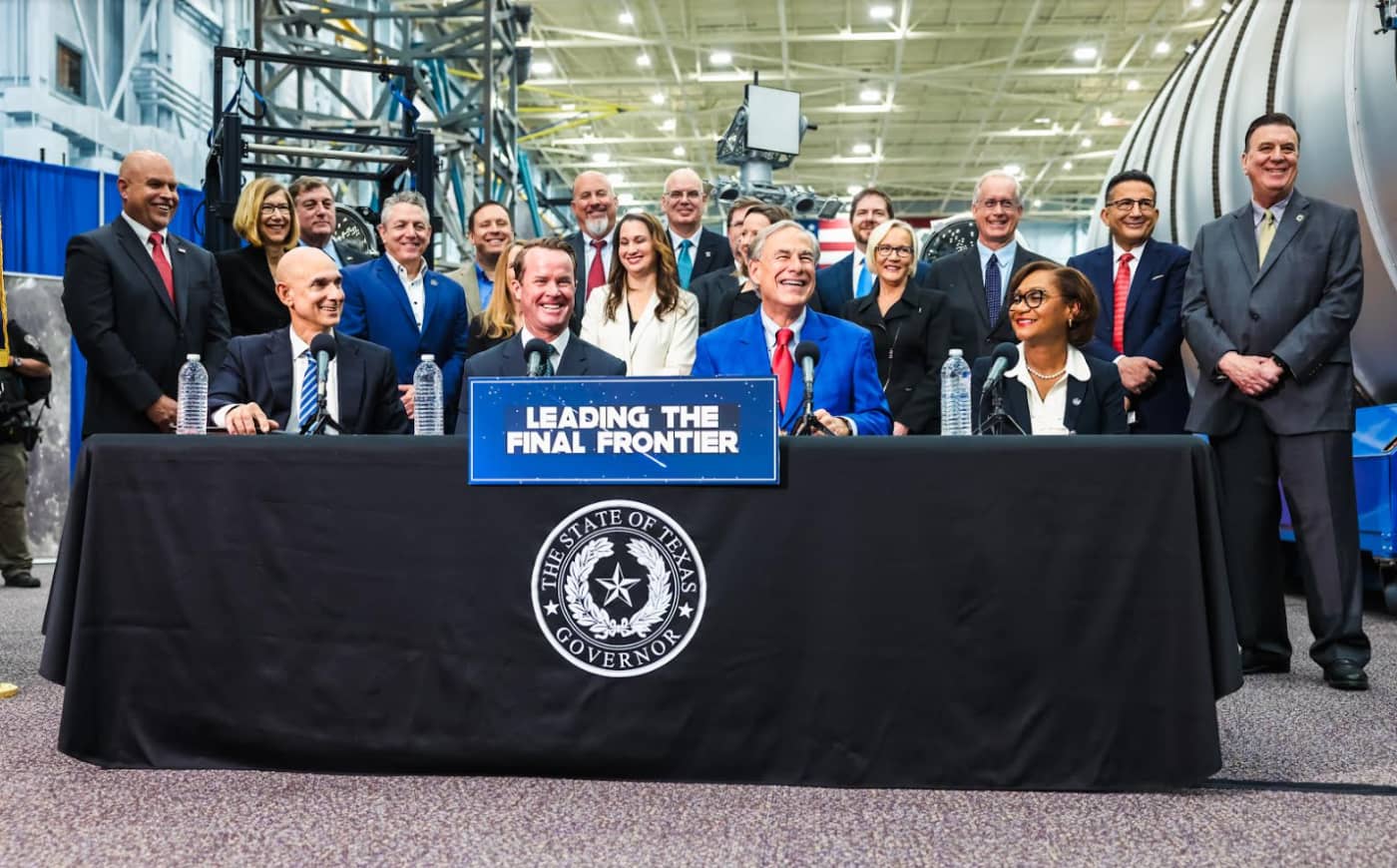
Previous Next Slide 1. House Bill 3447 Texas Governor Greg Abbott (left) chats with Rep. Greg Bonnen and NASA's Johnson Space Center Director Vanessa Wyche in mission control on March 26, 2024.
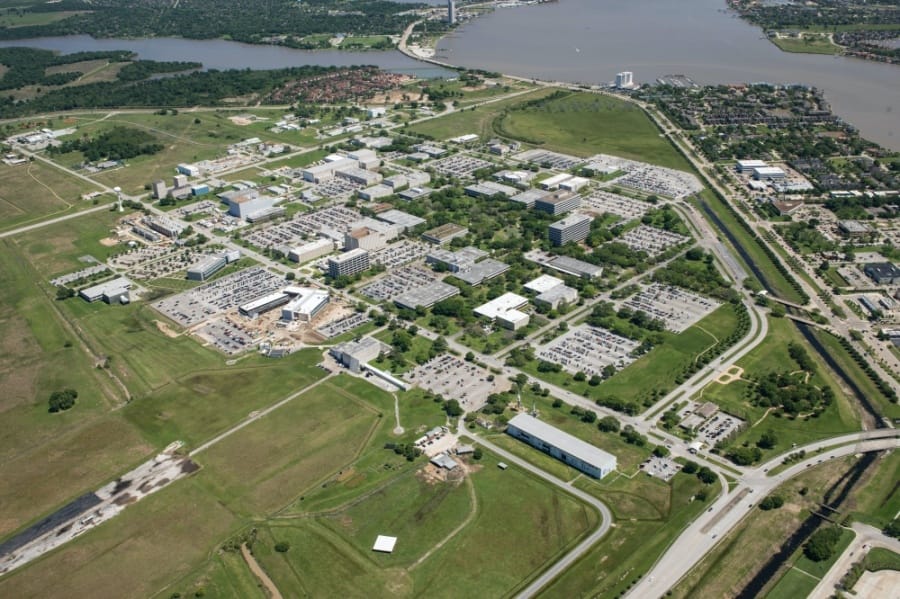
Governed by a nine-member board, the commission will work to strengthen Texas’ proven leadership in civil, commercial and military aerospace activity by promoting innovation in the fields of space exploration and commercial aerospace opportunities. The Space Commission will administer $150 million in state dollars appropriated to the Space Exploration and Aeronautics Research Fund. Previous Next Slide 2. Texas Space Commission The nine inaugural members include: Gwen Griffin of Houston, Kathy Lueders of Brownsville, John Shannon of Houston, Sarah “Sassie” Duggleby, Kirk Shireman of Pearland, Evan Loomis of Austin, Heather Wilson, Ph.D., of El Paso, Nancy Currie-Gregg, Ph.D., of College Station and Brad Morrison of Boerne. It will also make recommendations to the commission about the use of space-related funds and will be responsible for developing a strategic plan. This nine-member executive committee includes representatives from major university systems in the state. It will primarily serve to identify opportunities for research that promote development and commercial space activity in Texas. Next Slide Previous 3. Aerospace Research and Space Energy Consortium The inaugural members of the TARSEC Executive Committee include: Aegis Aerospace CEO Stephanie Murphy, President of Axiom Space Matt Ondler, Firefly Aerospace CEO Bill Weber, Intuitive Machines VP of Productions and and Operations Jack Fischer, Bay Area Houston Economic Partnership President Brian Freedman, CesiumAstro, Inc. founder and CEO Shey Sabripour, Texas A&M University professor of Mechanical Engineering Robert Ambrose, Ph.D., University of Texas's provost of the Department of Astronomy Daniel T. Jaffe, Ph.D., and Rice University Director of the Space Institute David Alexander, Ph.D. As the park's inaugural tenant, Texas A&M's new 40-acre facility is set to enhance human spaceflight research and invigorate the commercial space industry. Texas legislators have appropriated $350 million to the Space Commission, with $150 million dedicated to a research fund and an additional $200 million for Texas A&M to develop cutting-edge research facilities at Johnson Space Center's Exploration Park. Next Slide NASA signed an agreement with a second partner for its new 240-acre Exploration Park on Feb. 29, which marks another step toward building out the area officials hope could be a hub of researching and testing for space exploration. (Courtesy Bill Stafford/NASA)
Previous 4. Exploration Park
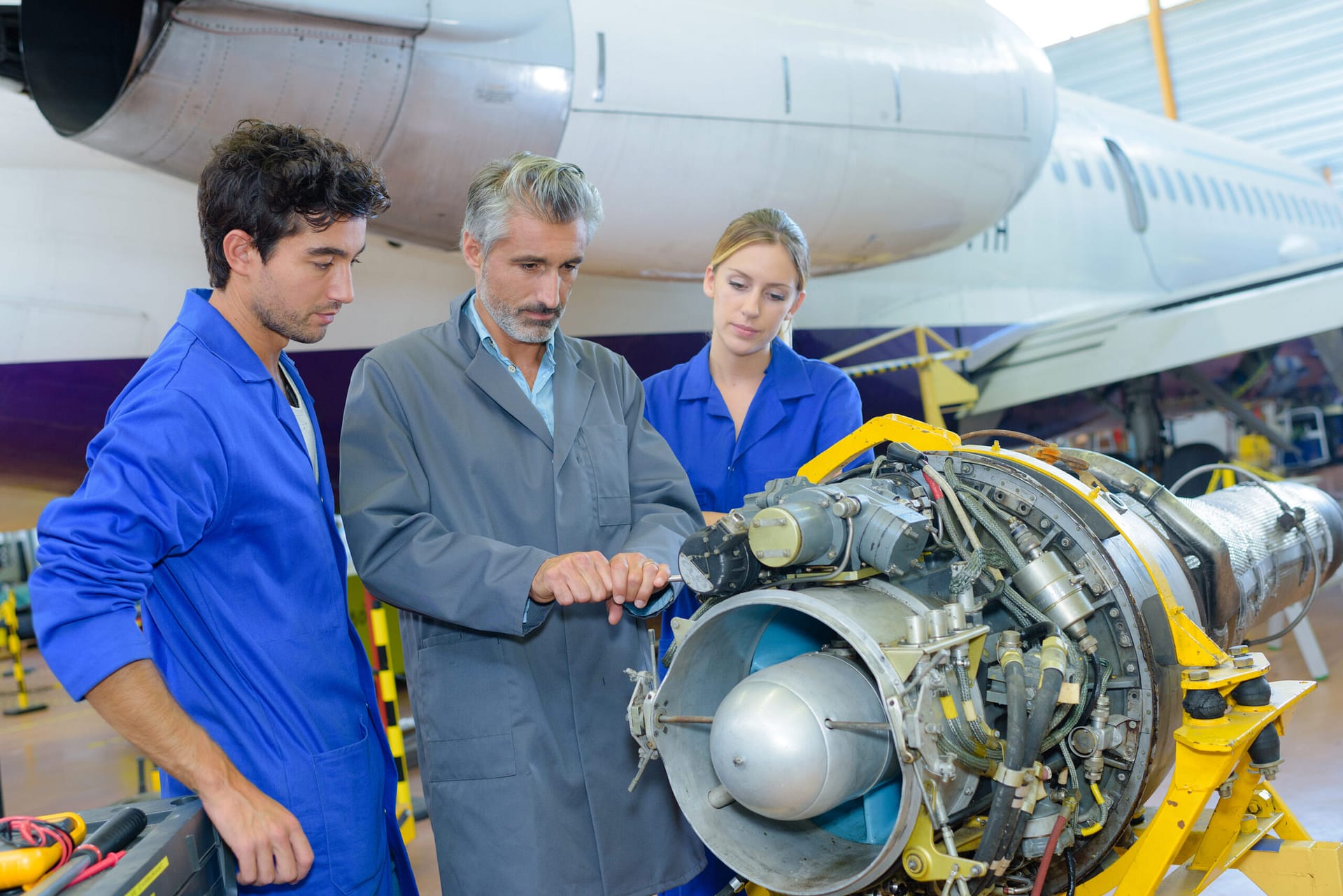
Texas' institutes of higher education are hard at work preparing the next generation of skilled workers, positioning Texas as the beacon to orient U.S. space exploration efforts and to ensure that those who reach for the stars do so from the Lone Star State. Next Slide Institutions of higher ed all across Texas are busy developing the workforce talent that will support the advancement of the space industry in the state.
Previous 5. Educating our future space workforce Some include San Jacinto College, University of Texas at El Paso, Texas A&M University, UT Austin and Rice University.
Texans are also playing a key role in the Artemis program, NASA's bold initiative to return humans to the surface of the Moon as early as the second half of 2026.
Next Slide Texas companies like Houston-based Intuitive Machines and Cedar Park-based Firefly Aerospace are poised to play a large part in making the Artemis programs a success. (Pictured: Intuitive Machines' first lunar mission, IM-1, launched in February 2024.)
Previous 6. Texans are making steps back to the Moon. Artemis also aims to use what we learn on and around the Moon to take the next giant leap: sending the first astronauts to Mars as early as the 2030s. (We’re rooting for 2036!)

Space matters. Think of space not just as the domain of astronauts and satellites but as a crucial part of our daily lives. Each time you use your phone's GPS, watch weather forecasts, or read about Elon Musk's satellites keeping connections alive in crisis zones like Ukraine, you're tapping into space technology. Texas 2036 is an official data partner of the Texas Lyceum

Dive Into Our Space Data:

LinkedIn
Instagram
YouTube

Official data partner for the Texas Lyceum

keyboard_arrow_up